
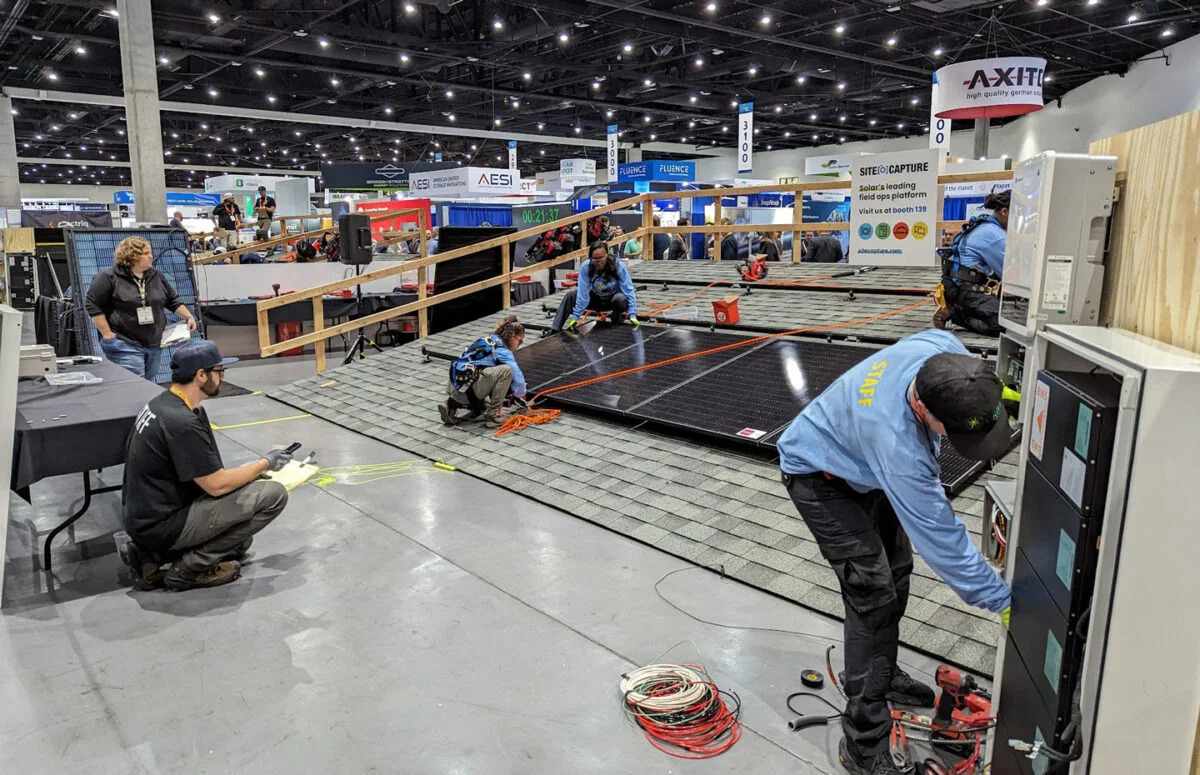
Installation and Dismantle usually becomes valuable when the show has more than one moving part: a venue manual, a freight deadline, graphics to approve, AV to integrate, labor to schedule, and a floor lead who has to make decisions in real time.
For this scope, the practical center is crew calls, tool needs, union-aware sequencing, and clean strike planning.
Installation and Dismantle planning priorities
- Treat installation and dismantle as a distinct scope centered on crew calls, tool needs, union-aware sequencing, and clean strike planning.
- Confirm what the exhibitor controls and what the venue or house provider controls before quoting.
- Plan dismantle, return freight, and storage before the show opens.
What installation and dismantle controls
The dismantle controls the practical part of the brief centered on crew calls, tool needs, union-aware sequencing, and clean strike planning.
The strongest scope names who owns design decisions, graphics approvals, technical requirements, freight timing, labor calls, show-site supervision, and return logistics.
Budget and timeline signals for installation and dismantle
A short setup in a hotel can be more demanding than it looks if receiving access is tight. A larger hall can be smoother if the manual is clear and service orders are placed early.
For the dismantle, the pricing conversation should separate known costs from assumptions that still depend on the venue, show manual, or final design package.
How Installation and Dismantle works at Bay Area venues
That variety is why installation and dismantle needs a regional production plan instead of a single fixed workflow.
The operating path has to show what changes by venue, what stays consistent, and how the team will keep the buyer informed when the venue updates the rules or schedule.
- Venue manual and deadline review before final pricing.
- Graphics, AV, freight, and labor milestones in one project calendar.
- Show-site supervision from move-in through strike when the scope carries floor risk.
What to send before quoting Installation and Dismantle
If the job involves an existing exhibit, crate photos and a packing list can prevent inaccurate labor calls and avoidable change orders.
If the job is new, a quick priority order helps: visual impact, meeting space, demo reliability, speed, rental budget, custom build value, storage, or multi-show durability.
How Installation and Dismantle avoids late change orders
For the dismantle, the safest path is to confirm the show manual, service deadlines, graphics package, electrical and AV assumptions, freight weights, and approval chain before production accelerates.
That does not remove every surprise, but it separates real unknowns from avoidable misses and gives the buyer a budget that is easier to defend internally.
Where Installation and Dismantle fits after the show
A trade show scope is not finished when the doors close.
For the dismantle, post-show planning determines whether the asset becomes easier to reuse or turns into a pile of rushed decisions before the next event.
Installation and Dismantle planning questions
What does Installation and Dismantle include?
The dismantle can include planning, design coordination, graphics, AV, freight, labor, install, dismantle, supervision, and storage depending on the brief. The final scope is tied to the venue and show calendar.
When does this work need to be planned?
Start as soon as the venue and live dates are known.
Can the program work with an existing booth or agency plan?
Yes.
What makes this service different in the Bay Area?
Each one affects access, labor, AV, freight, and timing.